
Last updated November 24, 2026
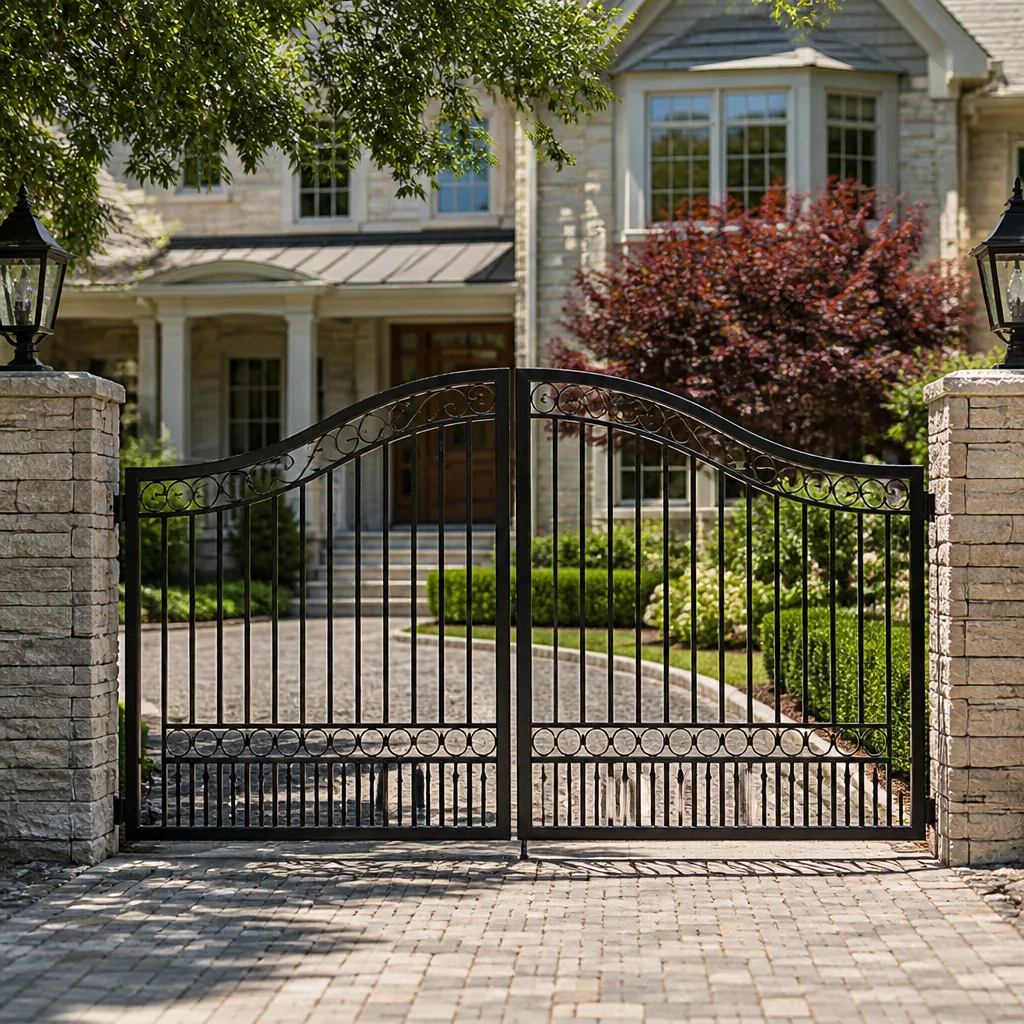 Wrought iron
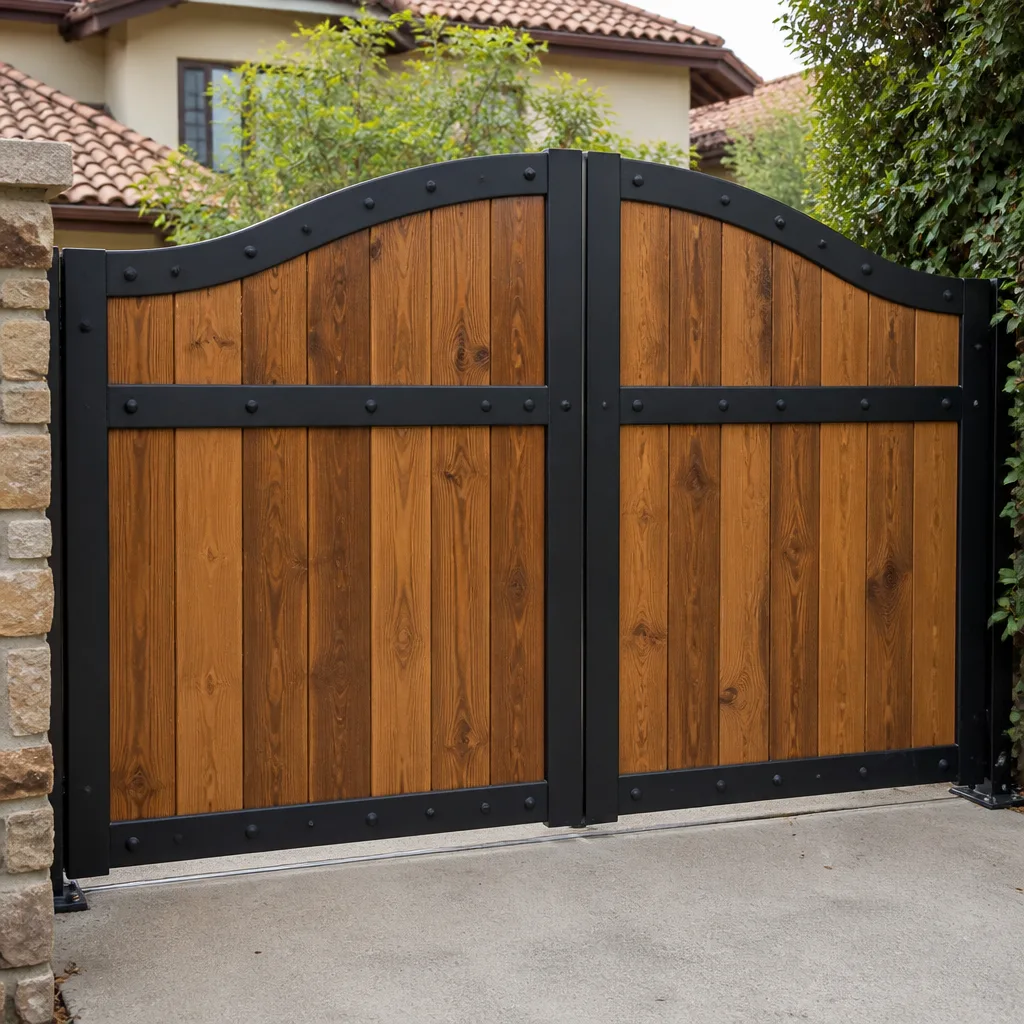 Wood & steel frame
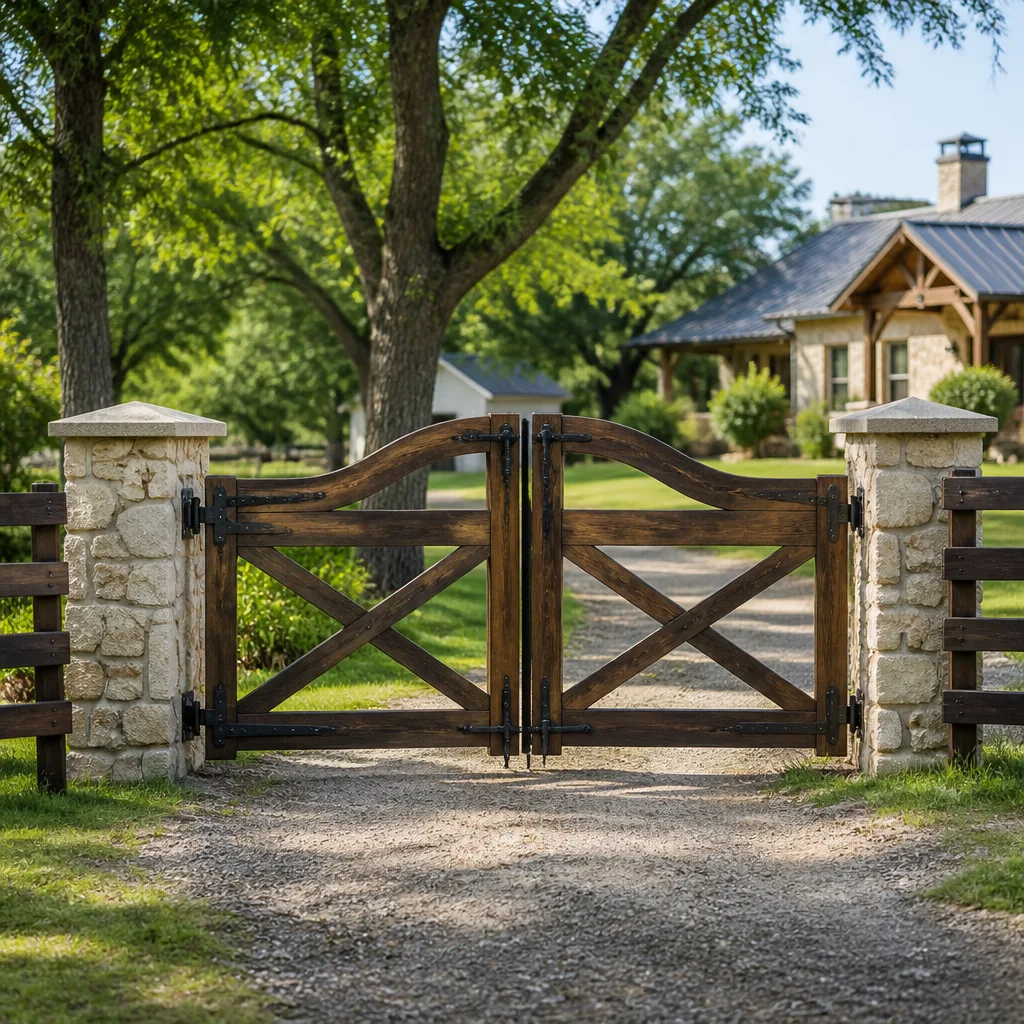 Farm & ranch
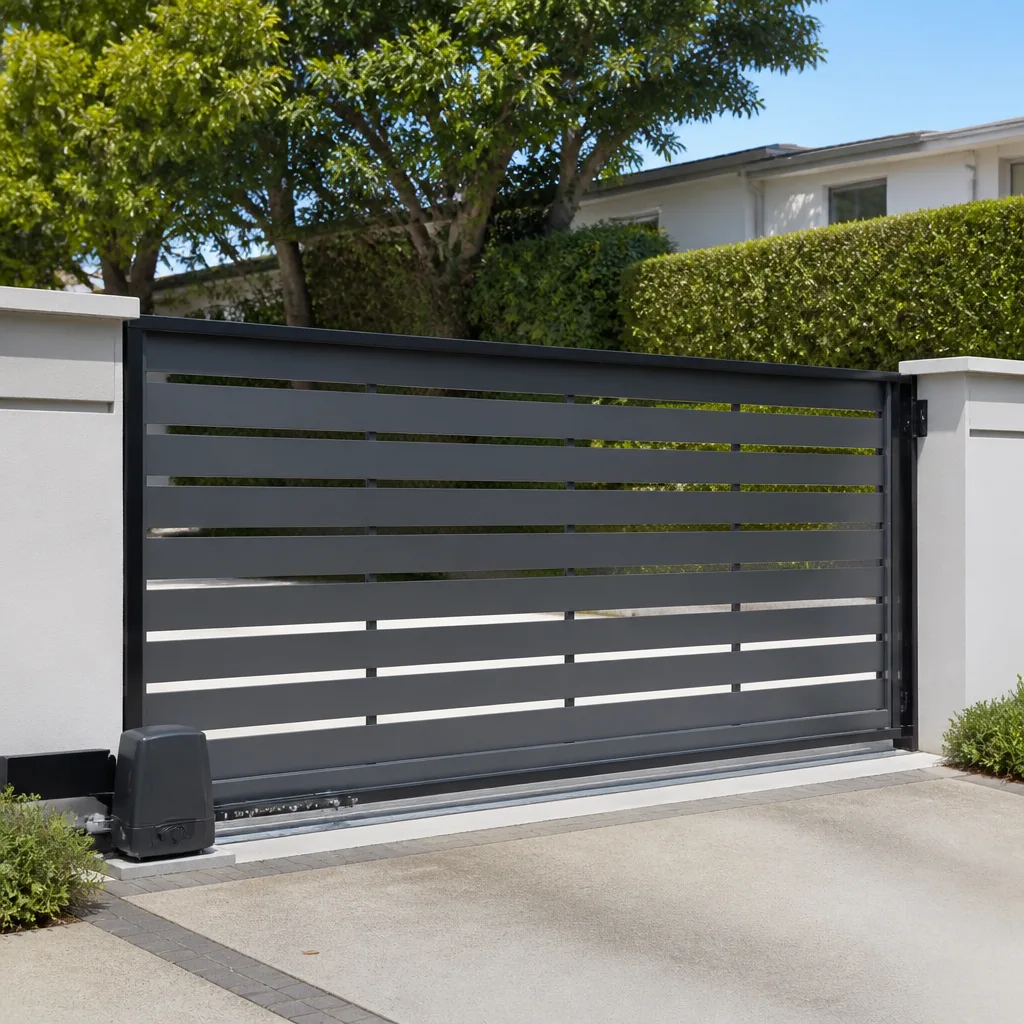 Sliding driveway gates
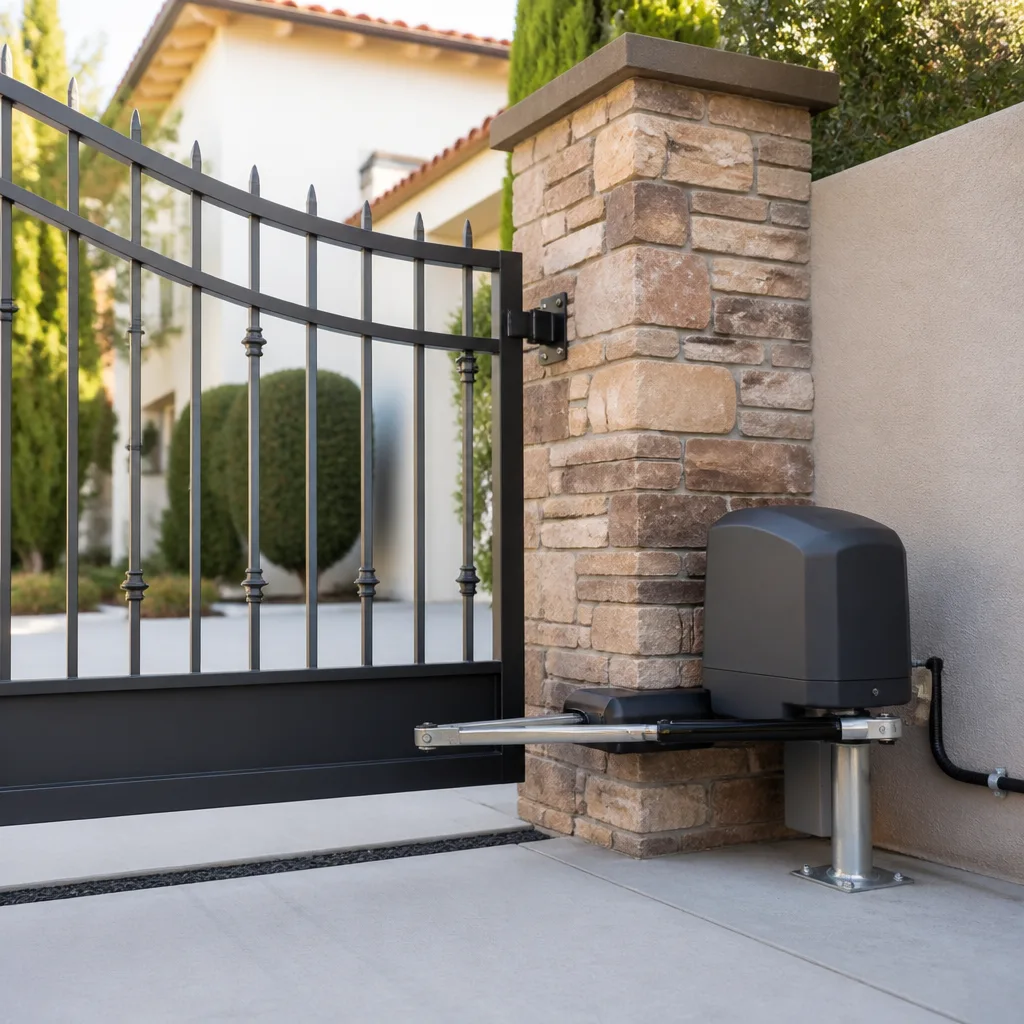 LiftMaster operators
Free on-site gate assessment - hinges, posts, and your LiftMaster or Nice gate operator checked before anything is quoted
The assessment is free and the quote is the invoice.
Get your free estimateGate Repair Permits, Codes & Inspections in Irvington, OR: What You Need to Know
Here’s the part that surprises people: a gate can fail, get fixed, and the fix can still put a property in Irvington in the wrong. Replacing a post or swapping a gate panel in a historic district without the right sign-off isn’t a technicality you sort out later. It can trigger a stop-work order and, in the worst case, require you to put back the original structure at your own cost, even if that structure was rotted through and gone. Most homeowners learn this mid-project, when the gate is already off its hinges. This guide walks through when a permit is required in Irvington, OR, where repair ends and alteration begins, and how the historic approval process actually runs so you can order the work with confidence.
Quick Answer
In Irvington, OR, a like-for-like gate repair, such as rehanging a sagging gate, replacing a hinge, or swapping a failed operator, generally does not need a permit. Anything that changes the gate’s size, location, height, or materials, especially where the gate is visible from the street in the historic district, typically needs review through the city, and often a Certificate of Appropriateness. The exact rules depend on your property and the scope of the job, so confirm with the city’s building department and historic review staff before work starts.
Styles & brands we work with
- Wrought iron
- Wood & steel frame
- Farm & ranch
- Sliding driveway gates
- LiftMaster operators
Table of Contents
- Repair vs. Alteration: Where the Line Is
- What Irvington’s Historic Overlay Requires
- Filing a Certificate of Appropriateness: Step by Step
- Which Gate Jobs Are Permit-Exempt in Oregon
- What Triggers a Mandatory Inspection
- The Liability a Contractor Passes to You
- Irvington’s Climate and Gate Wear
- Common Mistakes to Avoid
Repair vs. Alteration: Where the Line Is
The distinction between a repair and an alteration is the single most useful thing to understand before you call anyone in Irvington. Portland’s Bureau of Development Services treats work on the same footprint in the same materials as a repair, and it treats a change to size, height, location, material, or design as an alteration. A repair restores what’s there. An alteration makes something new.
This matters because a repair usually skips the full historic review process, while an alteration runs through it. Replacing a warped picket with a matching picket is a repair. Replacing a weathered wood gate with a steel one of the same size is an alteration. When the work is in-kind, meaning the new part matches the old in material, dimension, and profile, the review burden drops sharply.
Here’s what that looks like on the ground:
- Repair: Re-hanging a gate that’s dragging, replacing a hinge, tightening or replacing a latch, swapping a failed control board, replacing a broken arm on an operator.
- Alteration: Widening a gate opening, changing the gate’s height, switching from wood to metal, moving the gate to a new location, adding an operator to a gate that had none.
If you’re not sure which side of the line your job falls on, ask. A few minutes on the phone with the city’s building department or historic review staff saves weeks of backtracking later. We’ve watched a straightforward gate repair grow into a full review simply because the homeowner didn’t realize the new panel was a different material than the old one.
What Irvington’s Historic Overlay Requires
Irvington is a designated historic district, and that status adds a review layer that ordinary neighborhoods don’t have. For gates and fences visible from the street, changes are held to a higher standard than for structures tucked behind the house. The overlay is designed to protect what makes the district recognizable, not to freeze every property as it sits.
The practical split is between front and side exposures and rear privacy structures:
- Street-facing gates and fences: Held to the strictest review. Height, materials, color, and design details all come under scrutiny. A replacement that matches original in-kind is usually the smoothest path.
- Side yard gates: Reviewed when visible from the public way. If your side gate faces an alley or a street, treat it like a front gate for review purposes.
- Rear yard gates that aren’t visible from the street: Often handled with much less review, sometimes none, depending on the property and the scope of the change.
The overlay isn’t a ban on new gates or new automation. Plenty of properties in Irvington have modern operators on historic gates. The point of the review is that the visible character of the gate stays consistent with the district while the hidden working parts can be as modern as you like. An operator mounted on the inside of a gate post, a keypad on a tucked-away pedestal, and low-voltage wiring run under the fence line are the kinds of upgrades that usually get approved without friction.
One thing we’re often asked: does adding automation to an existing historic gate trigger review? In practice it usually doesn’t, because you’re not changing the gate itself. But confirm it with the city before you commit. A quick email with photos and a scope description goes a long way toward getting a clear answer.
Filing a Certificate of Appropriateness: Step by Step
When a Certificate of Appropriateness (COA) is required, the process is more orderly than most people expect. It’s paperwork and patience, not a mystery. The Certificate of Appropriateness is the document that says your proposed change is consistent with the historic district. Without it, a visible alteration to a gate in Irvington can be stopped mid-project.
Here’s the typical sequence:
- Confirm the scope in writing. Write a short description of exactly what you’re changing: gate dimensions, materials, colors, hardware, and anything moving to a new location. Include whether an operator is being added.
- Gather photos and a simple drawing. Show the existing gate, the surrounding property, and where it sits relative to the street. Add a basic dimensioned sketch or a clear set of measurements. The city reads these closely.
- Submit the application to the city’s historic review staff. The application form, photos, drawing, and scope description go in together. Incomplete submittals get sent back, and that’s where timelines stretch.
- Respond to reviewer feedback. Reviewers often ask for a material sample, a color reference, or a clarification of a detail. Fast, clear responses shorten the whole process.
- Receive the approval and follow its conditions. The COA often comes with conditions, such as a specific material, a retained design detail, or a photo record of the finished work. Those conditions are binding.
Common rejection points are worth knowing up front. Material substitutions that don’t match the original, changes to gate height that alter the visible line, decorative details that don’t match the district, and vague or incomplete submittals all get kicked back. Straightforward in-kind work rarely does. This is also why it helps to have a gate specialist involved early: knowing what the reviewer will accept is half the work of a smooth submittal. Our gate installation work in the district runs through this process as a matter of course, and it shapes the way we write up a scope before a client ever submits anything.
Which Gate Jobs Are Permit-Exempt in Oregon
Not every gate job needs a permit, and knowing which ones are exempt saves time and money. In Oregon, the general category of “accessory structures and cosmetic repair to existing structures” is exempt from building permits. Gate work that falls into that category goes ahead without a building permit. Work that changes structural loading, electrical systems, or the essential character of a historic resource does not.
The practical split:
- Generally exempt: Replacing a hinge, re-hanging a sagging gate, swapping a latch, painting, replacing a control board on an existing operator, replacing a keypad wired through an existing low-voltage circuit, and other like-for-like repairs.
- Often exempt, but worth checking: Replacing a gate panel or post in-kind with a matching material, and swapping a worn operator for a new one without changing the gate’s electrical supply.
- Permit likely required: New gate installation, widening or narrowing an existing opening, adding an operator to a gate that never had one (because that brings in a new power source), changing materials or dimensions, and any change that alters the historic character of a visible gate in the district.
Permit-exempt is not the same as contract-exempt, and exemption from Portland’s building codes doesn’t necessarily get you past historic review. Those are two separate rules running on the same property. A repair that’s exempt from a building permit can still need a COA if it changes the visible character of the gate. Treat them as parallel checks, not one gatekeeper.
When in doubt, call the city. There’s no fee for asking, and the person at the building department who answers a simple scope question can save you a very expensive redo.
What Triggers a Mandatory Inspection
A building permit almost always comes with an inspection, and that inspection is where a lot of gate projects either sail through or get flagged. Any job with a permit pulled will have at least one inspection. The inspector looks at whether the finished work matches what the permit approved.
Common inspection triggers:
- Electrical work on a new operator circuit. New conduit, new power from the house to the gate, and new low-voltage wiring all fall under electrical inspection.
- New gate installation with a permit. The finished gate, posts, and any concrete footings get checked against the plan.
- Changing the footprint of a gate opening. The new dimensions and post locations are inspected.
- Historic review conditions. The finished work gets compared against the COA conditions, sometimes with photos submitted to review staff.
The most common failure point is the mismatch between the approved plan and what actually got built. If the plan said a matching material and the contractor installed something close but not identical, that’s a correction notice and a do-over. Old gates are rarely perfectly square, and it’s tempting to “improve” the fit with a slightly different part. That’s exactly the kind of change an inspector picks up.
Another point that comes up on automated gates: the safety devices. Operators for gates that move have required safety features, including means to prevent entrapment and means for the gate to respond to an obstruction. Those aren’t optional, and they come up at inspection. Our gate motor & opener work always includes the safety features the equipment calls for, and it’s one reason we ask about the property plan before quoting.
If your gate repair booking has moved into a permit and inspection situation, the goal is to build what the permit says, no more and no less. The inspection is not adversarial. It’s a checklist, and a clean submittal at the front makes the checklist short.
The Liability a Contractor Passes to You
This is probably the part no homeowner wants to read, and the part every homeowner should. When work that requires a permit is done without one, the contractor carries some of the exposure. But a meaningful share of the risk shifts to the property owner. That’s not a scare tactic; it’s how the rules are structured in Portland’s jurisdiction.
What gets passed to you when a permit is skipped:
- Stop-work orders. The city can halt the job on the spot. The gate stays half-finished until the process catches up.
- Restoration orders. In the historic district, unpermitted visible alterations can be ordered reversed, with the original structure or character restored at the owner’s cost, even if the original had failed.
- Retroactive permitting. You can usually apply after the fact, but it’s slower, more expensive, and there’s no guarantee of approval.
- Disclosure problems at sale. Unpermitted work on a property is a disclosure issue. It surfaces in a title search, in an inspection, or in a buyer’s due diligence, and it can stall a sale.
- Insurance complications. If an unpermitted electrical addition on a gate is involved in a loss, the insurer can push back on the claim.
Ask any contractor, before work starts, two questions: “Is a permit required for this scope?” and “Who is pulling it?” If the answer is “no permit needed” for a job that changes the gate’s visible character in Irvington, ask again. A contractor who dodges the question is a contractor who’s leaving the risk on your side of the table.
One more layer of risk: code compliance. A historic overlay and a building code are two separate rule sets. A gate can pass one and fail the other. If your property has been through a previous addition or remodel, the gate may be governed by conditions that go back to that work. A quick check of your property file at the city is worth doing. This is one of the reasons gate specialists who understand how a property’s history interacts with current code can save you a headache that a generalist simply won’t see coming.
Irvington’s Climate and Gate Wear
Irvington’s weather is a slow, steady wear rather than a dramatic one. The wet season keeps wood and paint under continuous moisture load, and gates that sit in the shade on the north side of a property dry out more slowly than gates on the south. That’s not a reason to panic, and it’s not a reason to skip maintenance. It’s a reason to know what to look for.
Two typical Irvington wear patterns:
- Wood swelling and hardware loosening. A hinge that fits tight in the summer can sit loose by winter, because the wood around the screws swells and shrinks through the wet and dry cycles. That’s what makes a gate drag or sag on the latch side. Re-hanging a gate is a routine repair.
- Low-voltage connections getting wet. Keypads, intercoms, and buried cable joints that sit in splash zones at the gate post can take on water. That shows up as an intermittent keypad or an operator that drops out after heavy rain.
Moss on a concrete footing, soil settling around a gate post, and a gate that has sunk a quarter inch at the latch side are all common in the older properties here. None of them are a permit issue by themselves. The concern is when some of them are addressed with adjustments that drift the gate outside its approved plan, which is where the review side of the work comes back into play.
Our technicians have up to 12 years of experience working with gates in this climate, including the Linear, Viking, DoorKing, and Ghost Controls systems we service most often. We ask about exposure and shade before we quote a job, because a gate on a wet, northern exposure gets a different plan than one on a sunny side.
Common Mistakes to Avoid
- Assuming “repair” means “no permit” without confirming. In Portland’s jurisdiction, repair and alteration are formally different, and a material change moves you from one to the other. Confirm the classification before ordering parts.
- Skipping the COA because the change is small. A change in gate height, material, or design can require review even when the physical work is minor. The size of the change is not the threshold; the visible character is.
- Treating the building permit and the historic review as one process. They’re parallel rule sets with separate submittials. Getting one approval doesn’t clear the other.
- Letting a contractor skip the permit “to save time.” The time you save is borrowed at the back end, with a stop-work order, a retroactive application, or a required restoration on the other side.
- Changing the gate plan mid-project. A “minor” adjustment during installation is a mismatch against the approved plan and a likely correction notice at inspection. Make all changes on paper first.
- Ignoring the wiring path in the pre-project conversation. New operator circuits and new keypads bring electrical into the scope. Confirm the electrical work is in the permit and the plan.
- Buying an operator without checking whether the gate meets the operator’s requirements. An operator designed for a certain gate weight, speed, and swing geometry won’t do the job on a gate outside those specs. The right operator is chosen around the gate; the gate can’t be made to fit an operator it wasn’t designed for.
See the difference
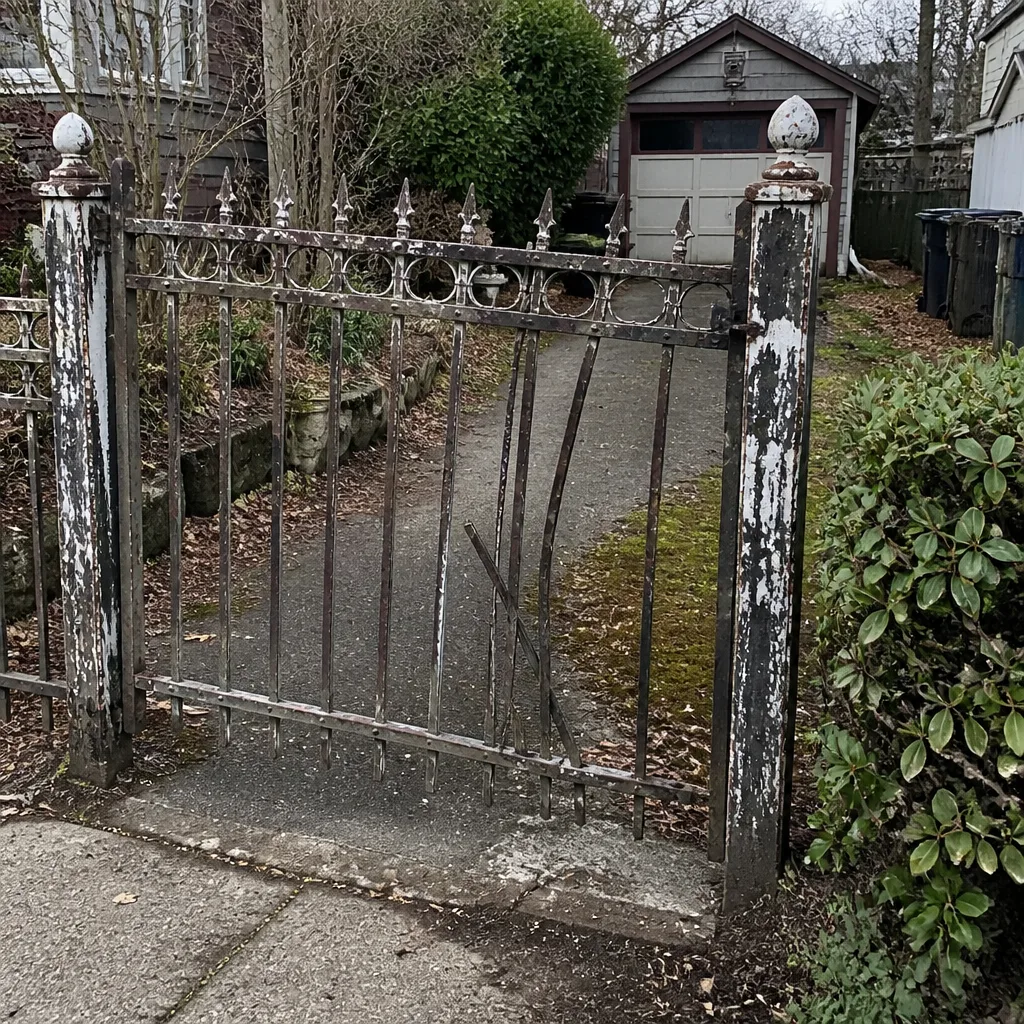 Before
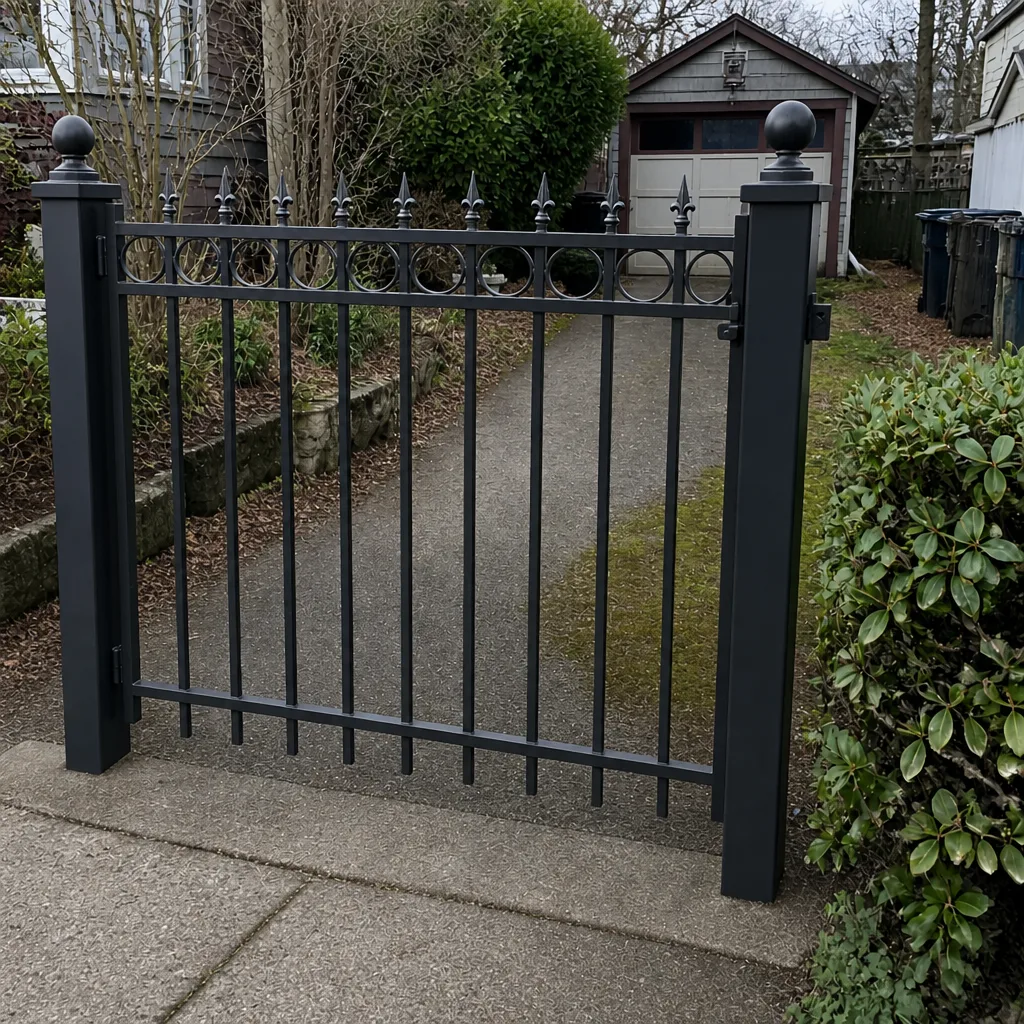 After
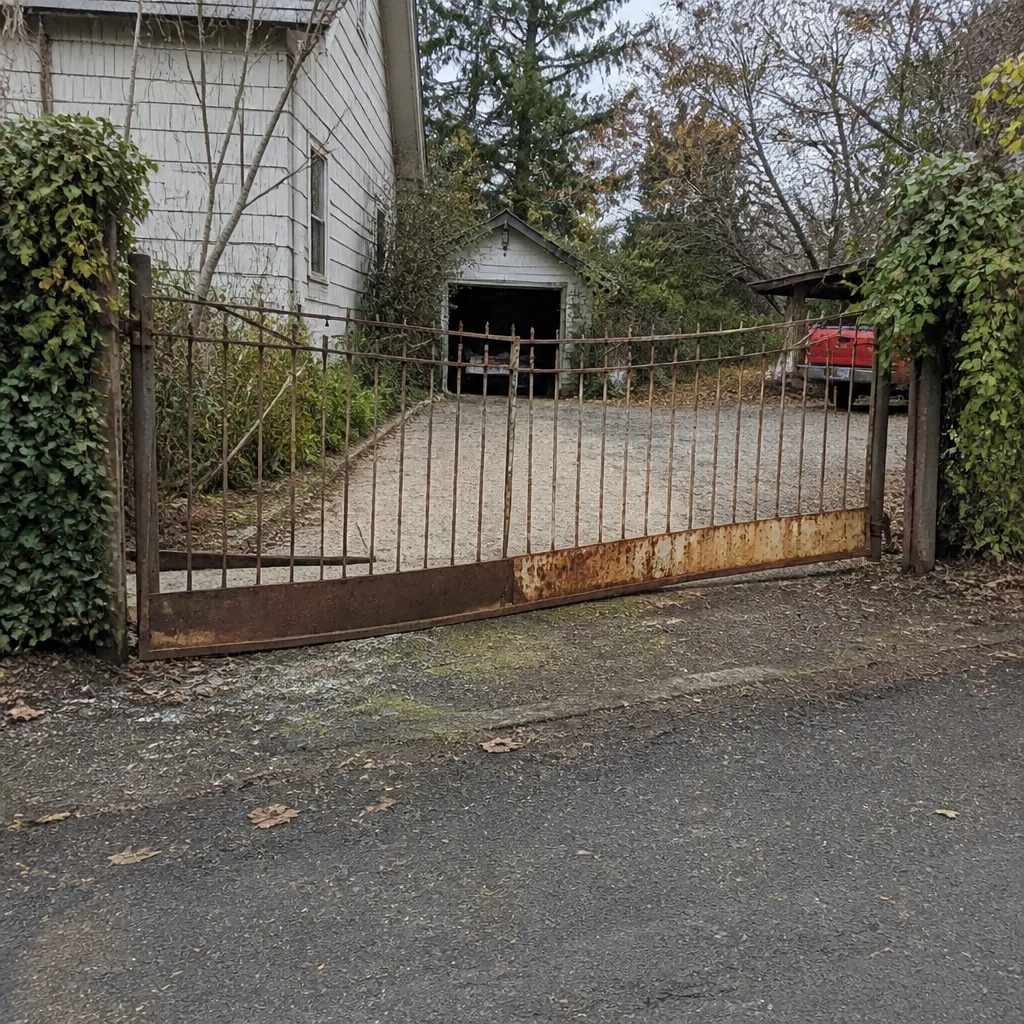 Before
 After
 Before
 After
When to Call a Professional
The right time to call is before the gate comes off its hinges. A gate that’s dragging, a latch that won’t catch, a keypad that’s intermittent, an operator that throws a fault code, or a post that’s leaning are all worth a professional look, because each of them affects what the paperwork needs to say. If the scope is changing, meaning a new panel, a new operator, or a new gate, get the review conversation going first. If you’re mid-project and unsure whether the work needed a permit, that’s also a call worth making, because it’s easier to sort out early than after an inspection. We work across LiftMaster, FAAC, BFT, Linear, Viking, Ghost Controls, DoorKing, Elite, and Mighty Mule systems, so the brand on the gate isn’t a reason to guess. Gate Repair Irvington offers free estimates in Irvington, call (855) 658-5296. We answer 24/7. Fast dispatch from 7am to 7pm, Sunday through Friday.
Do I need a permit to repair my gate in Irvington, OR?
Usually no, if the work is truly a repair, meaning like-for-like replacement of a hinge, latch, operator board, or an in-kind replacement of a single part. If the work changes the gate’s size, location, material, or visible character, and especially if the gate is visible from the street in the historic district, treat it as an alteration and confirm with the city’s building department. Call (855) 658-5296 for a free estimate, and we’ll help you think through what scope you’re actually looking at. We answer 24/7.
What’s the difference between a building permit and a Certificate of Appropriateness?
A building permit is issued by the Bureau of Development Services and covers code compliance, including electrical and structural work. A Certificate of Appropriateness is issued by historic review staff and confirms that the visual change to a historic resource is consistent with the district. They are separate approvals, issued by different parts of the city, and one doesn’t substitute for the other.
How long does a Certificate of Appropriateness take?
It depends on the scope and the completeness of the application. A clear, complete submittal with photos, measurements, and material details usually moves faster than a vague one. Reviewers often ask follow-up questions, and quick responses shorten the whole timeline. Adding a gate operator to an existing historic gate, where the gate itself isn’t changing, is often lighter than replacing a visible panel. Ask the city’s historic review staff for a realistic timeline early. Call (855) 658-5296 for a free estimate and a written scope before you submit.
Can I add a gate operator to my historic gate without review?
Often yes, because the gate itself isn’t changing; the operator is mounted to the existing post on the inside. But confirm it with the city’s historic review staff, because “often” isn’t the same as “always.” A smart keypad, a new power run, and low-voltage wiring all come into play, and if the property has prior review conditions attached to it, they may apply. We work across DoorKing, Linear, Viking, and Ghost Controls systems daily. Call (855) 658-5296. We answer 24/7.
What if a previous owner did unpermitted gate work?
It’s a situation that comes up on older properties. The fix is usually to file a retroactive permit and let the city review the work as it stands. The review may be more involved than a fresh permit, and in the historic district it can include a determination of whether the alteration needs to be reversed or adjusted. If you’re about to buy in Irvington, pull the property file at the city before closing. If you’re already in the situation, call (855) 658-5296 for a free estimate and a conversation about scope. Fast dispatch from 7am to 7pm, Sunday through Friday.
Does a gate repair trigger same-day service on an unpermitted job?
Same-day repair is a service time question, not a permitting question. Where scope changes or historic review are involved, the work is measured, ordered, and scheduled around the city’s process, not dispatched on day one. For straightforward repair of existing hardware, we can move quickly. Call (855) 658-5296 and we’ll be honest about what’s realistic for your job. We answer 24/7.
The Bottom Line
Gate work in Irvington runs through two rule sets: Portland’s building codes and the historic district’s review. A like-for-like repair usually clears both with no paperwork. A change to size, material, location, or visible character almost always triggers the historic review, and a job that adds new electrical runs for an operator brings in a building permit and an inspection. Get the scope into writing early, confirm it with the city, and choose a contractor who’ll ask the permit question before the work starts, not after. The paperwork is a fraction of the cost of the stop-work order. If you want a written scope and a free estimate before any of this begins, call us.
Contact
If you’re in Irvington and facing a gate repair, an alteration, or a new install and you want a straight answer about the permitting picture for your property, we can help. We work on the brands that show up on gates in this neighborhood and we know the review process that runs alongside the work. Call Gate Repair Irvington at (855) 658-5296. We answer 24/7. Fast dispatch from 7am to 7pm, Sunday through Friday.
Written by the team at Gate Repair Irvington.