
Last updated November 24, 2026
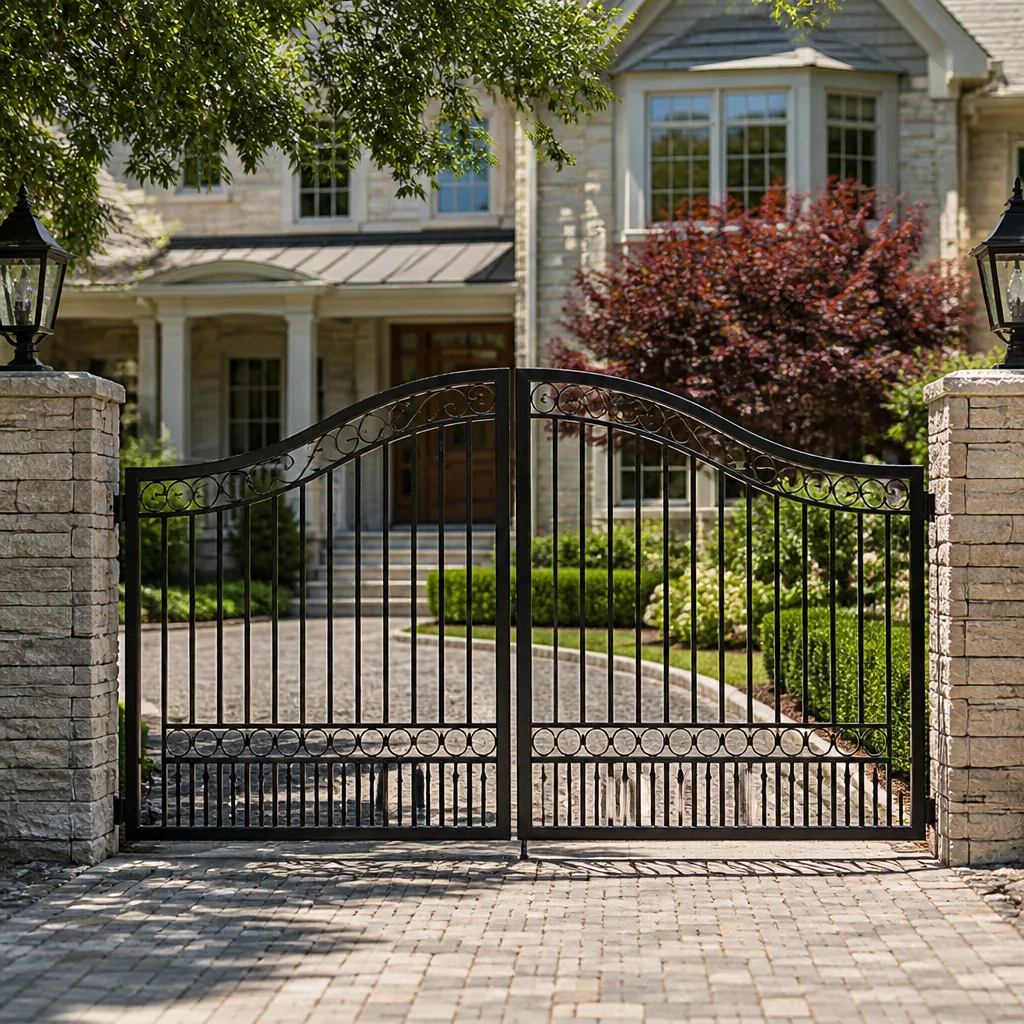 Wrought iron
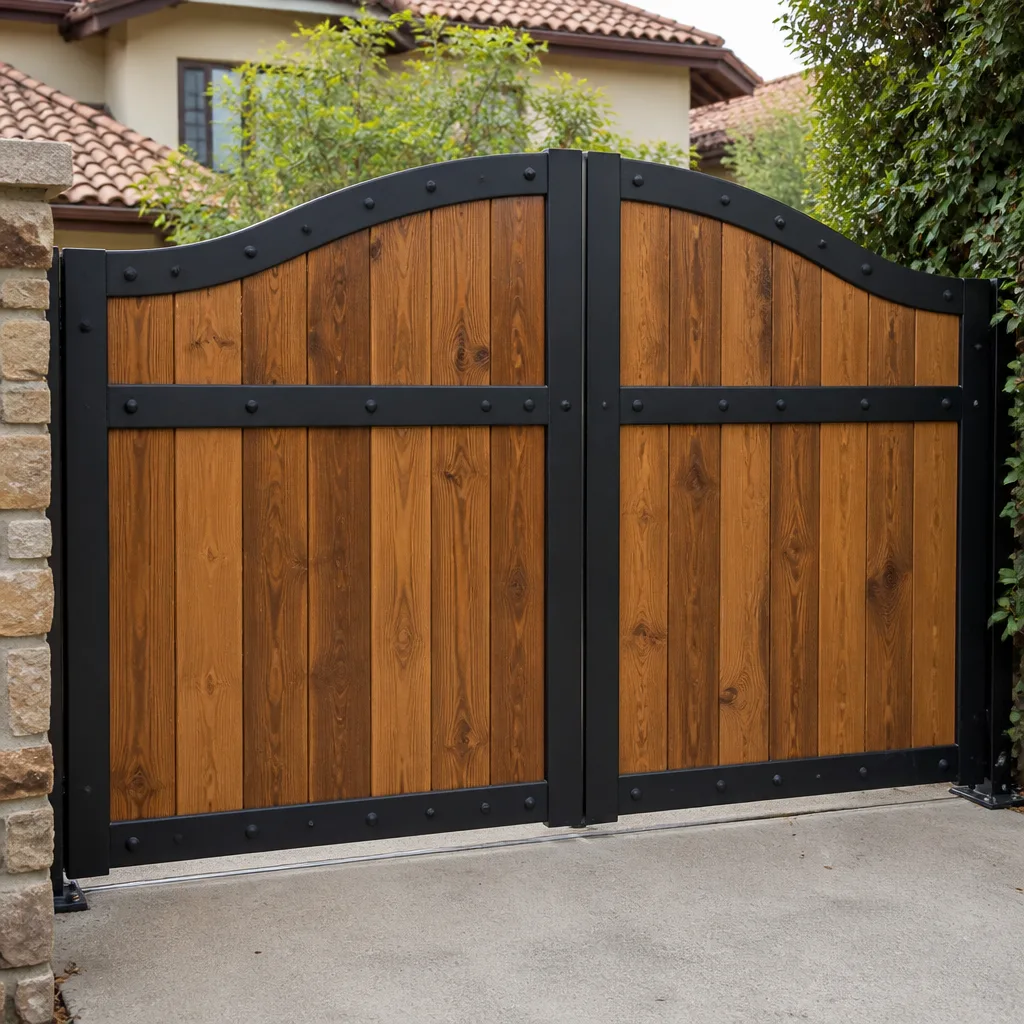 Wood & steel frame
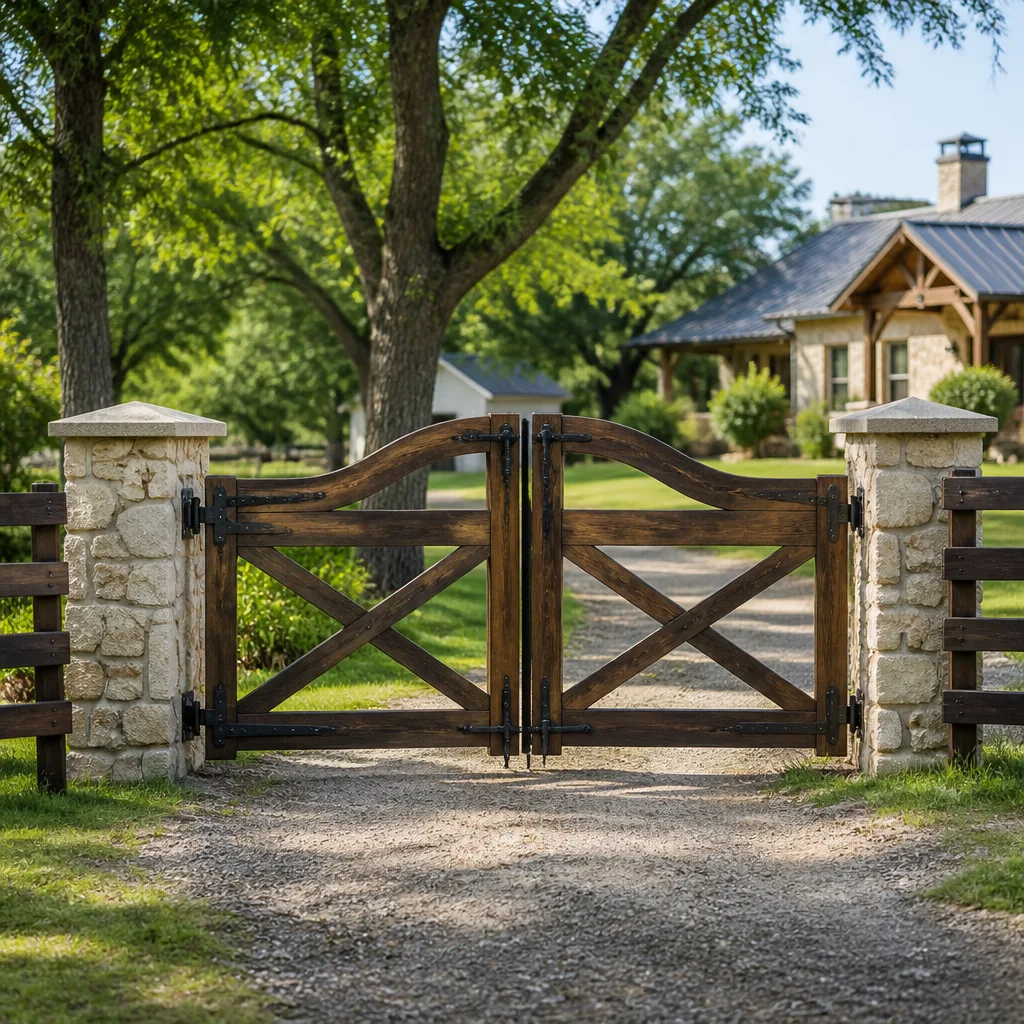 Farm & ranch
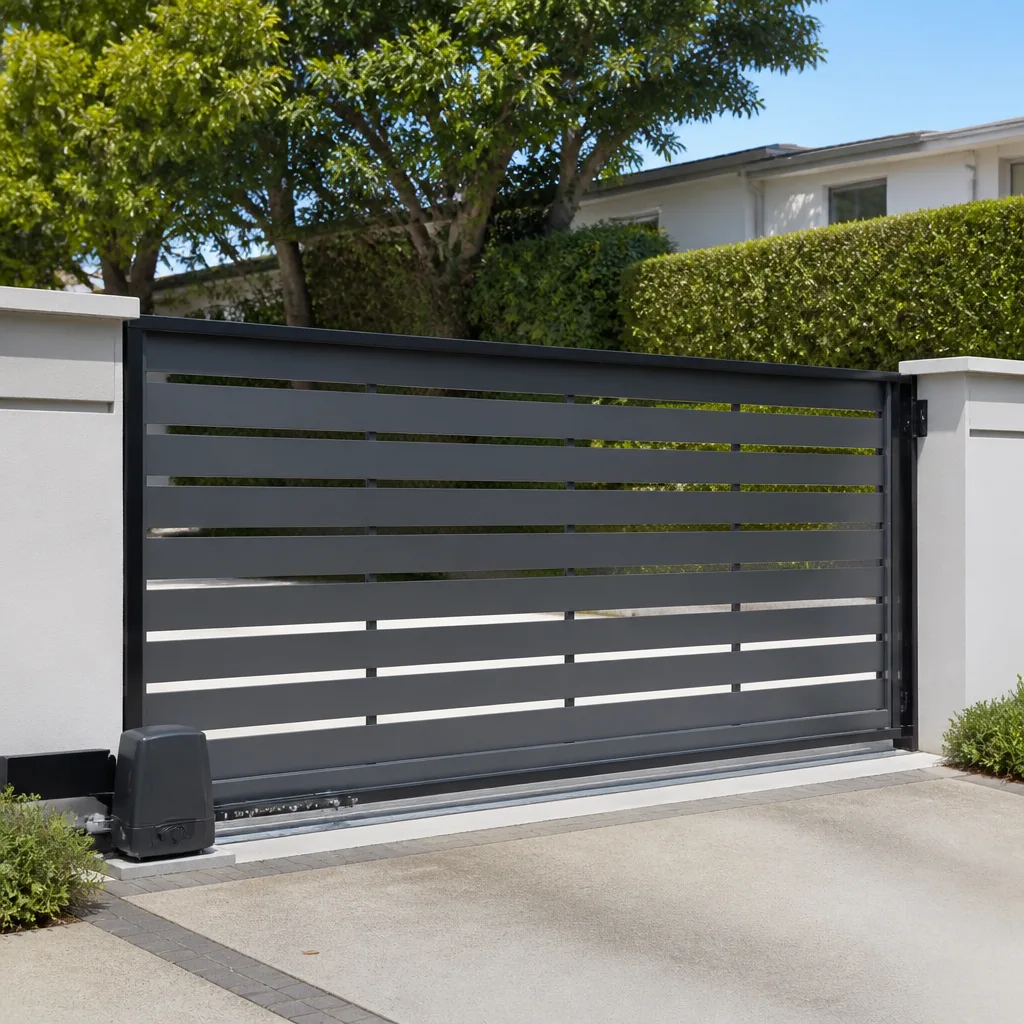 Sliding driveway gates
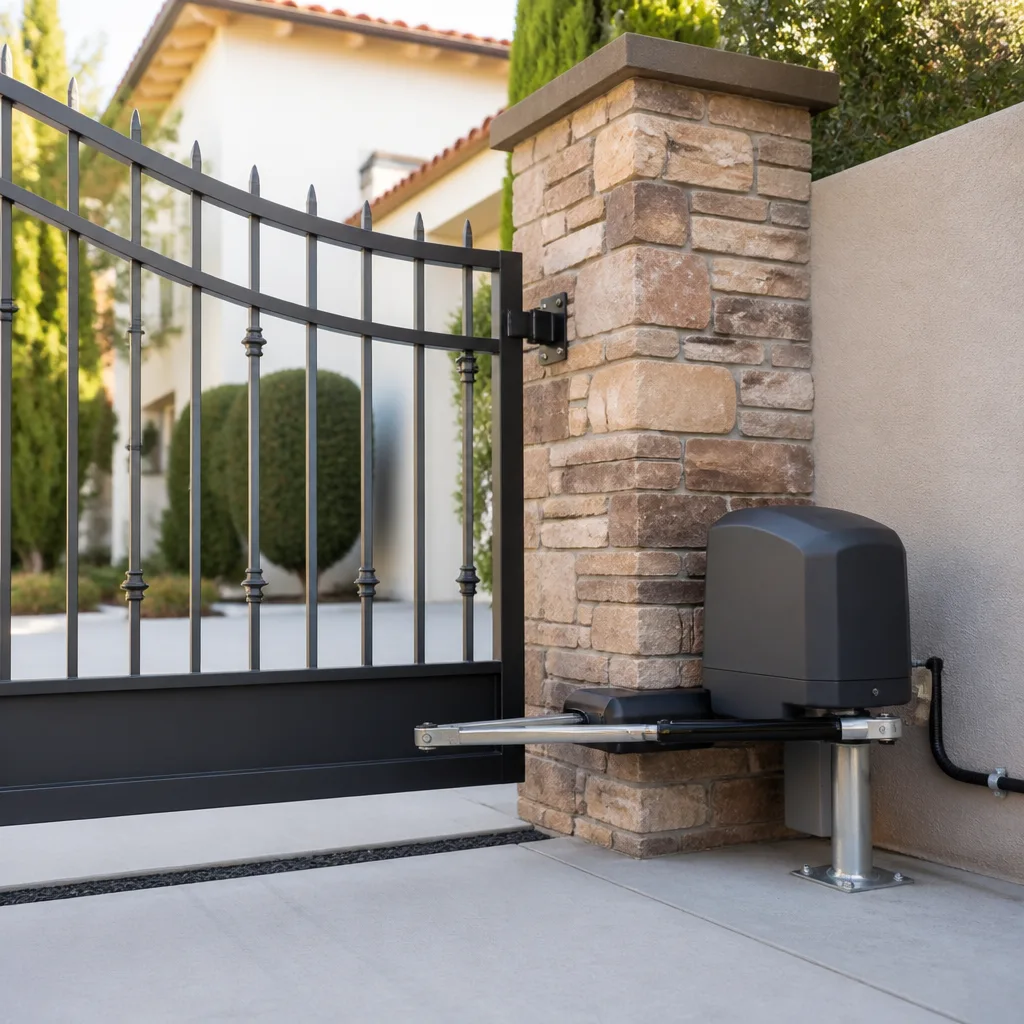 LiftMaster operators
Free on-site gate assessment - hinges, posts, and your LiftMaster or Nice gate operator checked before anything is quoted
The assessment is free and the quote is the invoice.
Get your free estimateGate Repair Emergency Preparedness Guide for Irvington Homes
A gate stuck open at 11 p.m. and a gate stuck closed at 7 a.m. are both gate emergencies. They call for opposite first moves. One is a security problem and the other is an access problem, and the response that fixes one will make the other worse. Most Irvington homeowners have no plan for either until the moment arrives, then spend the first critical minutes guessing. This guide changes that. You’ll learn how to tell the two failures apart, how to release each kind of operator safely, what to secure first, what to have ready before you call, how storm damage meets an Oregon insurance claim, and which components fail without warning versus the ones that warn you first.
Quick Answer
If your automatic gate fails, identify whether it’s a security failure (gate stuck open, property exposed) or an access failure (gate stuck closed, vehicle trapped) before you do anything else. For a security failure, call for repair first and secure the opening manually second. For an access failure, use the manual release on the operator first, then call. Have your operator brand and model ready when you dial.
Styles & brands we work with
- Wrought iron
- Wood & steel frame
- Farm & ranch
- Sliding driveway gates
- LiftMaster operators
Table of Contents
- The Two Kinds of Gate Emergencies (and Why They Need Opposite Responses)
- How to Manually Release Each Type of Automatic Gate Operator
- What to Do When Your Gate Fails in the Open Position
- What to Have Ready Before You Call for Emergency Gate Repair
- Storm Damage, Oregon Insurance, and the First 24 Hours
- Components That Fail Without Warning vs. Components That Warn You First
- How Irvington Conditions Shape Gate Wear
- What a One-Time Gate Maintenance Visit Covers
The Two Kinds of Gate Emergencies (and Why They Need Opposite Responses)
Every gate failure in Irvington lands in one of two buckets. A security failure means the gate is stuck open, the property is exposed, and the barrier you rely on isn’t doing its job. An access failure means the gate is stuck closed, you’re trapped inside, or a visitor can’t get in. Both feel urgent. They are not the same problem.
When a gate hangs open, the repair decision is the priority. Every minute the gate sits open is a minute your property is unsecured, so you want a technician moving toward you while you handle the opening with a temporary measure. When a gate hangs closed, the manual release is the priority. You need to free your vehicle and restore movement first, and the repair can follow once you’re not stuck.
Here’s the trap: the instinct in both cases is to grab whatever tool is nearest and force the gate. That’s how a stuck operator becomes a bent arm, a stripped gear, or a control board pushed into a permanent fault. A gate specialist diagnoses the brand-specific fault instead of forcing the mechanism, and that’s the difference between a fix and a replacement.
In our experience across Irvington, the failures that catch people most off guard are the ones on operators they trusted to just work. A LiftMaster board that throws a code, a DoorKing control box that won’t accept a command, an Elite arm that binds halfway through its cycle. When you already know which category your failure falls into, you skip the panic and go straight to the right first move. That’s the whole point of planning before it happens.
How to Manually Release Each Type of Automatic Gate Operator
Manual release is a built-in feature of every automatic operator, and every one of them is designed to be released by hand without damage. The trick is that the release mechanism differs by operator type, and using the wrong method on the wrong operator is how warranties get voided and parts get broken. Know your operator type now, before you need to release it.
Chain-Drive (Sliding) Operators
- Locate the release lever or key on the operator housing. Most residential sliding operators have a manual release handle near the motor.
- Turn the release key or pull the lever to disengage the drive gear from the chain.
- Slide the gate by hand. The gate should move freely once the drive is disengaged. If it doesn’t, stop; something mechanical is binding and forcing it will damage the gate.
Ram and Articulated Arm (Swing) Operators
- Find the manual release on the arm, usually a lever, pin, or keyed release at the arm’s mounting point.
- Disengage the release. On most arm operators this decouples the arm from the gate leaf, letting the gate swing freely.
- Swing the gate by hand. On a double-leaf gate, release both arms or the pairing may fight you.
Underground (Sub-Surface) Operators
- Locate the release access, which on underground operators means a keyed release point at the gate hinge area rather than on the motor itself.
- Use the release key or tool to disengage the underground mechanism.
- Move the gate by hand and confirm the leaf swings free. Underground releases are less intuitive than arm releases, so read the operator’s manual if you’ve never done it.
Two safety points. Never release an operator while the gate is mid-travel on a slope; a leaf can swing hard once the drive lets go. And never force a release that won’t budge. A seized release usually means a mechanical fault you want a technician to see, not something to muscle past. If you’re unsure which type you have, our team can walk you through identifying it when you book gate repair.
What to Do When Your Gate Fails in the Open Position
A gate stuck open is a security failure, and the repair call comes first. Get a technician moving, then secure the opening temporarily while you wait. Here’s the order that works.
- Call for repair before you touch the gate. Dial (855) 658-5296, state that the gate is stuck open, and give your operator brand. We answer 24/7, and fast dispatch from 7am to 7pm, Sunday through Friday, puts a technician on the way.
- Stop the operator from cycling. If the gate keeps trying to close and bouncing back, cut power at the operator’s disconnect so it can’t move unexpectedly while you’re working near it.
- Secure the opening physically. For a residential driveway, park a vehicle across the opening or place a temporary barrier at the gate line. Do not lock a leaf in a half-open state where it can swing.
- Keep the gate visible at night. A dark, half-open gate line is an invitation. Leave exterior lighting on the drive and the gate pillar until repair is complete.
- Note what you saw. Any fault code on the control board, any sound the operator made, whether it failed on open or close. Write it down; it shortens diagnosis.
- Don’t leave the property unattended longer than you must. Arrange for someone to be present if the opening will stay unsecured while the technician is en route.
The mistake Irvington homeowners make most often is trying to close a stuck gate by hand and jamming it against a bound mechanism. That turns a quick repair into a bent leaf or a broken operator. If the gate won’t move freely after a manual release, leave it open and let the technician handle the mechanical fault. For operators like a LiftMaster or an Elite system that has thrown a loop or limit fault, the gate is often telling you something specific, and guessing at it costs more than waiting.
What to Have Ready Before You Call for Emergency Gate Repair
Service call time drops fast when you have the right details in hand. The single biggest time-waster in emergency gate repair is a technician arriving without knowing which operator they’re walking up to. A generalist has to look it up on the spot. We work on the brands we service specifically, so having the details ready means a faster, more accurate diagnosis.
Gather these before you dial:
- Operator brand and model. Check the motor housing or the control box label. DoorKing, LiftMaster, Elite, FAAC, BFT, Linear, Viking, Ghost Controls, and Mighty Mule are all brands we work on; the model number on the housing tells us which board and which fault logic we’re dealing with.
- Gate type and material. Sliding or swing, single or double leaf, and what the leaf is made of. Weight and geometry affect how the operator behaves.
- What triggered the failure. Was it after a storm, mid-cycle, after a power blip, after someone used the keypad, or first thing in the morning? The trigger narrows the cause.
- The fault code or symptom. Any code on the control board, any blinking LED pattern, any sound. Even “it clicks twice and stops” is useful.
- Whether the gate is stuck open or stuck closed. State it plainly. It determines the first response on both ends.
- Your access control setup. Keypad, intercom, app, or remote. If the failure started at the entry point, that’s an access control issue, not a motor issue, and it’s a category we service specifically.
- A callback number and a clear gate location. Have someone on site who can meet the technician at the gate.
Two minutes of prep on the phone can save a return trip and a lot of guesswork. If you don’t know your brand, that’s fine; we can identify it from the housing and the control board. The point is to have what you can, not to have everything.
Storm Damage, Oregon Insurance, and the First 24 Hours
Storm damage is the failure category where being prepared pays off in real money, because how you handle the first 24 hours decides whether your Oregon homeowner’s insurance claim holds up. Straining wind on a gate leaf, a limb down across a track, ice loading a swing gate that wasn’t designed for it: these happen here, and the documentation window is short.
What you need in the first 24 hours:
- Photos before cleanup. Shoot the gate, the operator, the damage area, and a wider frame that shows how the damage happened. Timestamped images carry more weight than a description after the fact.
- A written description. Date and time you noticed the failure, weather conditions, and what specifically is broken. Keep it factual and short.
- Your policy details. Pull your homeowner’s policy and confirm what’s covered for structures, fences, and attached equipment. Coverage for the gate structure and coverage for the operator are sometimes handled differently, so read the exclusions.
- A pre-damage photo if you have one. A picture of the gate working before the storm helps establish baseline condition for the adjuster.
- The repair estimate in writing. Insurance wants a documented scope and price. That’s what our written estimate provides; the price is set per job by the written estimate, and the estimate itself is free.
Don’t remove damaged parts before documenting them unless they’re a hazard. A technician looking at the actual failed component tells the adjuster more than a stock description. And don’t assume a small claim is below your deductible; run the numbers with your agent before you decide to file. For the repair side, our Irvington gate specialists can assess storm damage and give you the written documentation your claim needs.
Components That Fail Without Warning vs. Components That Warn You First
The most useful preparedness skill is knowing which parts of your gate fail silently and which ones give you a heads-up. Silent failures are where emergency calls come from; warned failures are where a scheduled visit prevents the emergency. Most emergency gate repair calls we take in Irvington trace back to a silent-failure component nobody was watching.
Fail Without Warning
- Control boards and logic modules. A board can fail on the next cycle with no prior symptom. This is why fault codes and operator brand matter so much at diagnosis.
- Capacitors in the motor circuit. They die quietly, and the first sign is a gate that suddenly won’t start.
- Batteries in access control and safety devices. A keypad battery or a safety edge battery can fail between uses, and the gate stops responding.
- Power and low-voltage wiring faults. A loose connection or a damaged conductor can surface without warning, especially after a storm.
Warn You First
- Rollers, hinges, and hardware. They tell you with noise and sluggishness before they fail. A gate that starts dragging or squealing is scheduling a breakdown for later.
- Drive chains and belt tension. Slack, stretch, and noise give you time to act.
- Gate leaf alignment. A leaf that’s begun to sag or rub is warning you that the operator is working harder than it should.
- Operator motor wear. Slower travel, strain in one direction, and odd sounds are all advance notice if you’re listening.
The takeaway: watch the warned components and inspect them regularly, and keep your brand and model documentation current so the silent failures can be diagnosed fast. A generalist who has to look up your operator loses time on exactly the failures where time matters. We carry parts for the brands we service, which shortens the gap between diagnosis and a working gate.
How Irvington Conditions Shape Gate Wear
Irvington’s climate works a gate hard in ways that don’t show up on the datasheet. Our wet winters put constant moisture on steel hardware and on the operator’s enclosure, and that shows up as sticking hinges, corroded connections, and water intrusion at the control box. Summer dry spells then bake the same hardware, and the expansion and contraction loosens fasteners and shifts alignment. A gate that was dead true in spring can be out of alignment by fall.
The neighborhood’s mature tree canopy adds its own layer. Falling limbs and storm debris across a track or a swing path are a regular cause of jams, and the resulting strain is often what pushes a tired operator into failure. That’s a big reason storm preparation and gate repair go together in Irvington.
The sensible rhythm here is a look-over before the wet season and again after it, plus a check after any significant storm. If you’re caring for an older leaf or an operator that’s been pushing through seasons of weather, a once-over during the transition months catches the warned failures before they turn into emergencies. There’s no maintenance plan to sign for this; it’s a one-time visit priced per job after we look at the gate. To book gate motor & opener service or a look-over, call us and we’ll set it up.
What a One-Time Gate Maintenance Visit Covers
A maintenance visit isn’t a tune-up you can skip. It’s the one appointment that reduces your odds of an emergency call, because it targets the two things an emergency gate repair can’t fix for you: the silent-failure risk and the wear that gives advance notice.
What a visit typically covers:
- Operator check. We read the control board, confirm the fault log, test the limit and safety settings, and verify the motor’s behavior on open and close.
- Mechanical inspection. Hinges, rollers, arms, chains, and track alignment. The dragging, squealing, sagging parts get caught here instead of on a morning when the gate won’t move.
- Access control check. Keypad, intercom, remotes, and app entry, tested together to confirm the entry path is reliable.
- Safety device check. The safety edges and sensors that stop the gate if something’s in the way. These are a duty-of-care item, not an optional extra.
- Weatherproofing. Look at the enclosure, connections, and hardware for the moisture intrusion that this climate makes routine.
One visit, one written estimate if anything turns up. No plan, no contract. We do the assessment, tell you what we found, and price any work per job afterward. That’s the whole model, and it’s what keeps a specialist visit honest.
Common Mistakes to Avoid
- Forcing a stuck gate by hand before releasing the operator. Pushing against a bound mechanism bends arms and strips gears. Release the drive first, then move the gate.
- Calling a general handyman for an operator fault. A generalist has to look up your brand’s fault codes and part quirks. That’s time you don’t have in an emergency, and it leads to more callbacks.
- Guessing at an access control failure. A keypad that won’t unlock isn’t always a motor problem. Treating an access fault as a motor fault sends the repair in the wrong direction.
- Cleaning up storm damage before documenting it. In Irvington, storm debris gets cleared fast, but the photos and description are what your Oregon insurance claim stands on. Document first.
- Ignoring the noise. A gate that squeals, drags, or slows down is telling you which component is near failure. Waiting for it to stop entirely is how a scheduled fix becomes an emergency call.
- Leaving a gate stuck open unsecured overnight. An open gate at night is a security problem. Get it closed, park a vehicle across it, or light it up while you wait for repair.
- Assuming every operator releases the same way. Chain, arm, and underground operators use different release mechanisms. Forcing the wrong one voids the operator warranty.
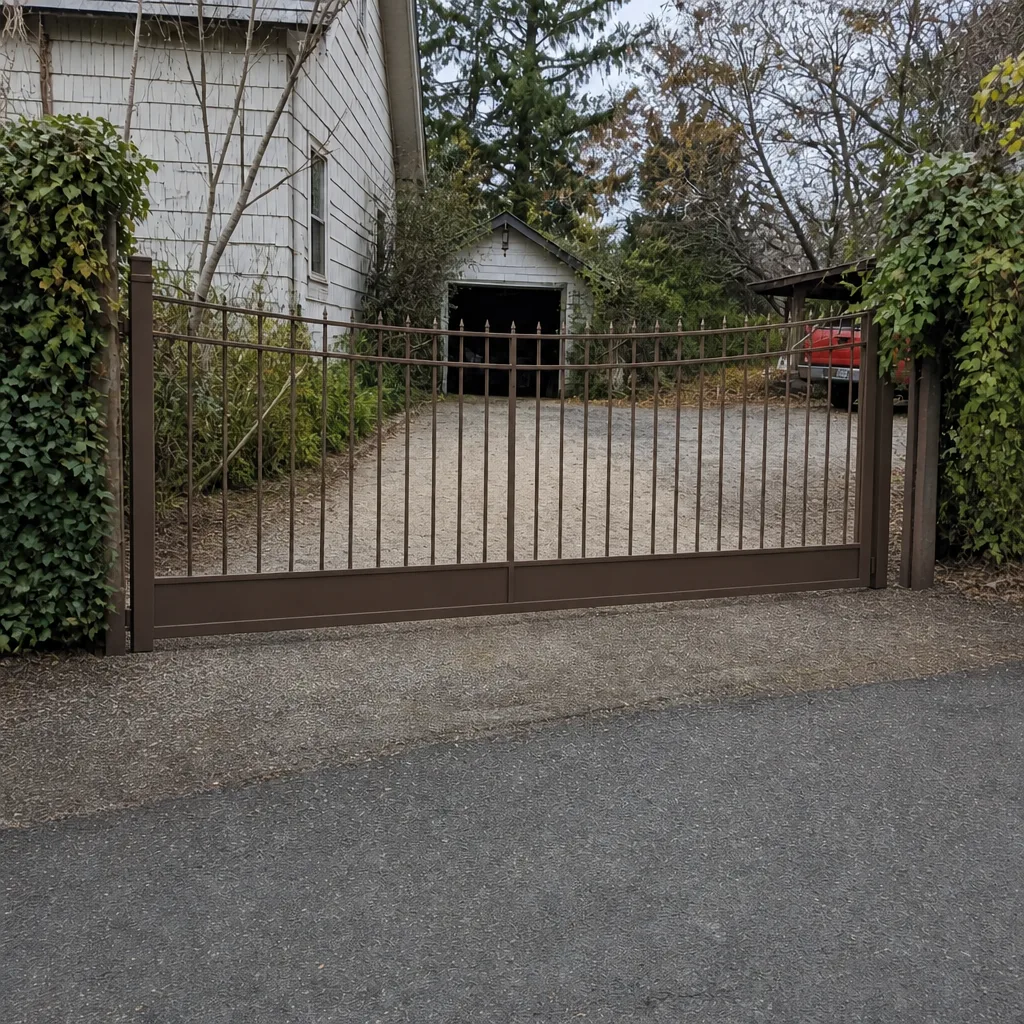
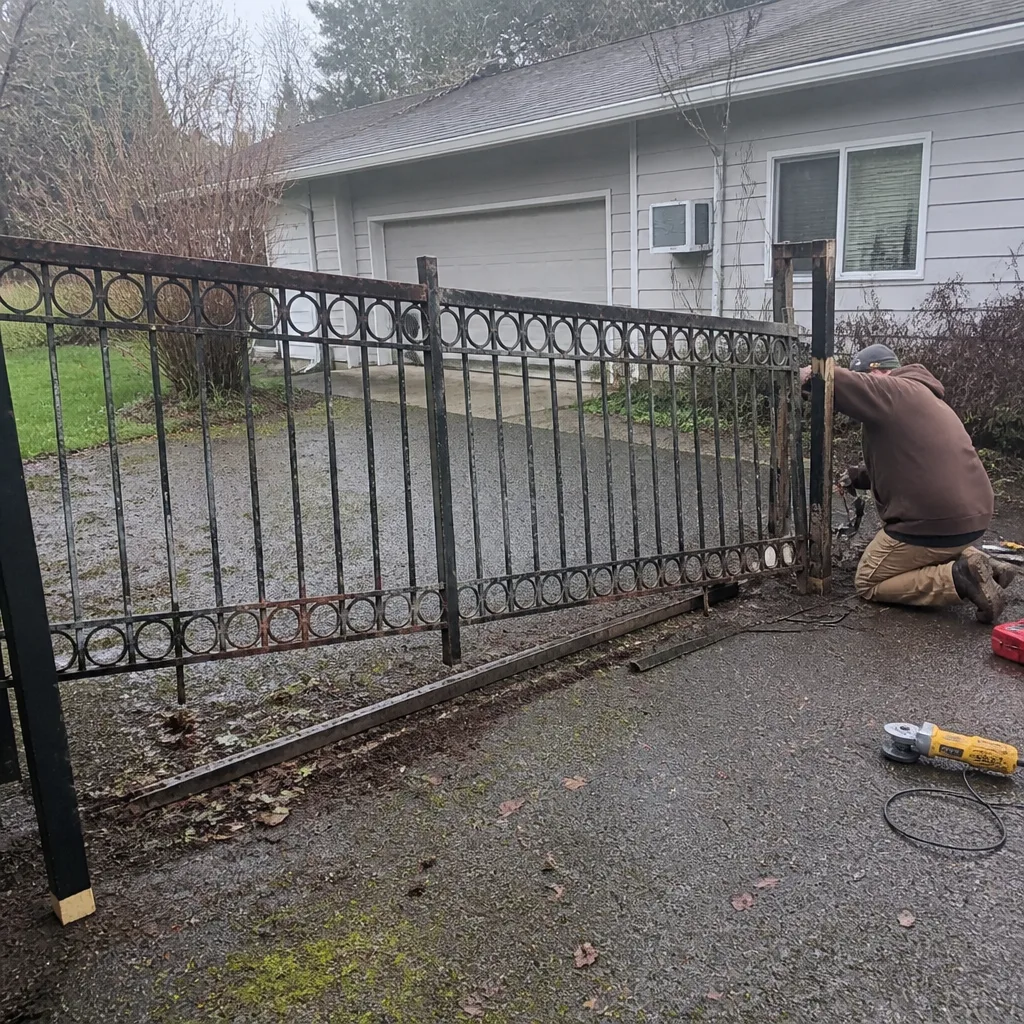
See the difference
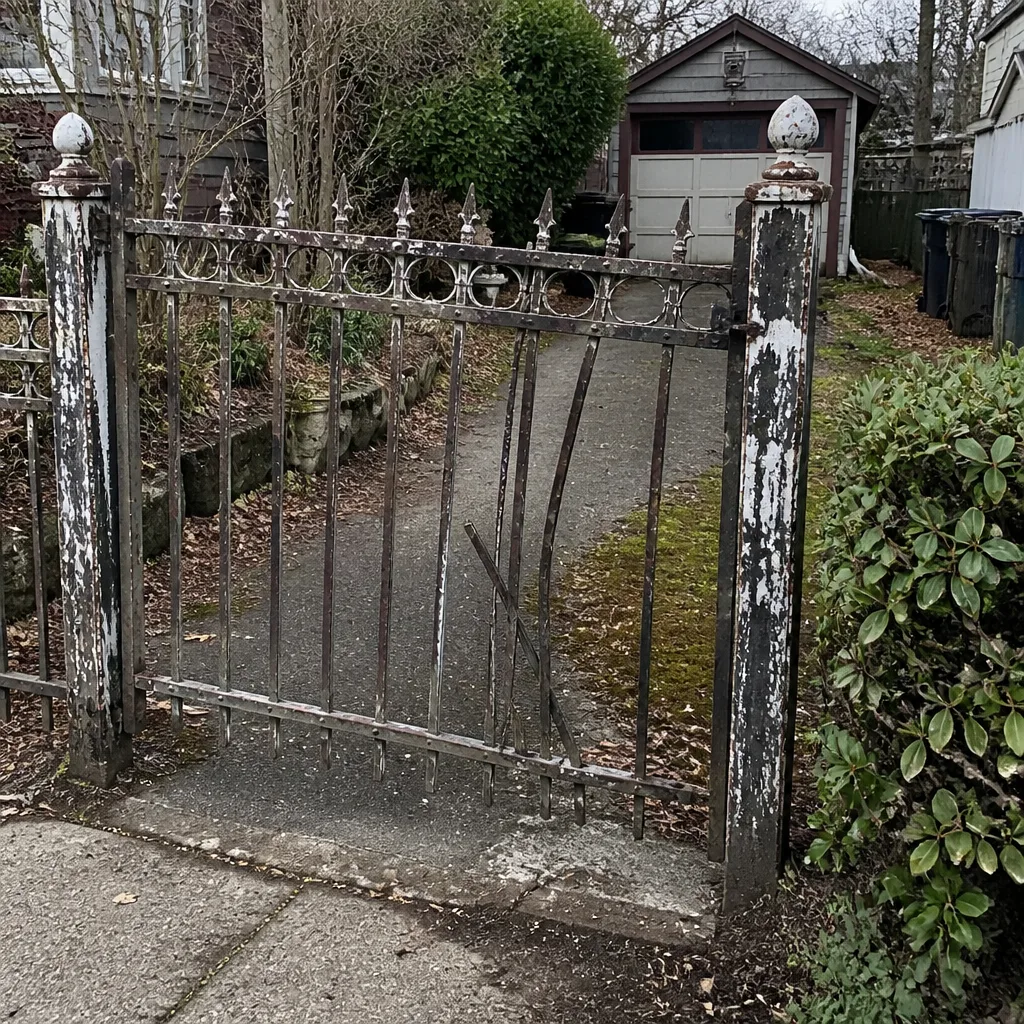 Before
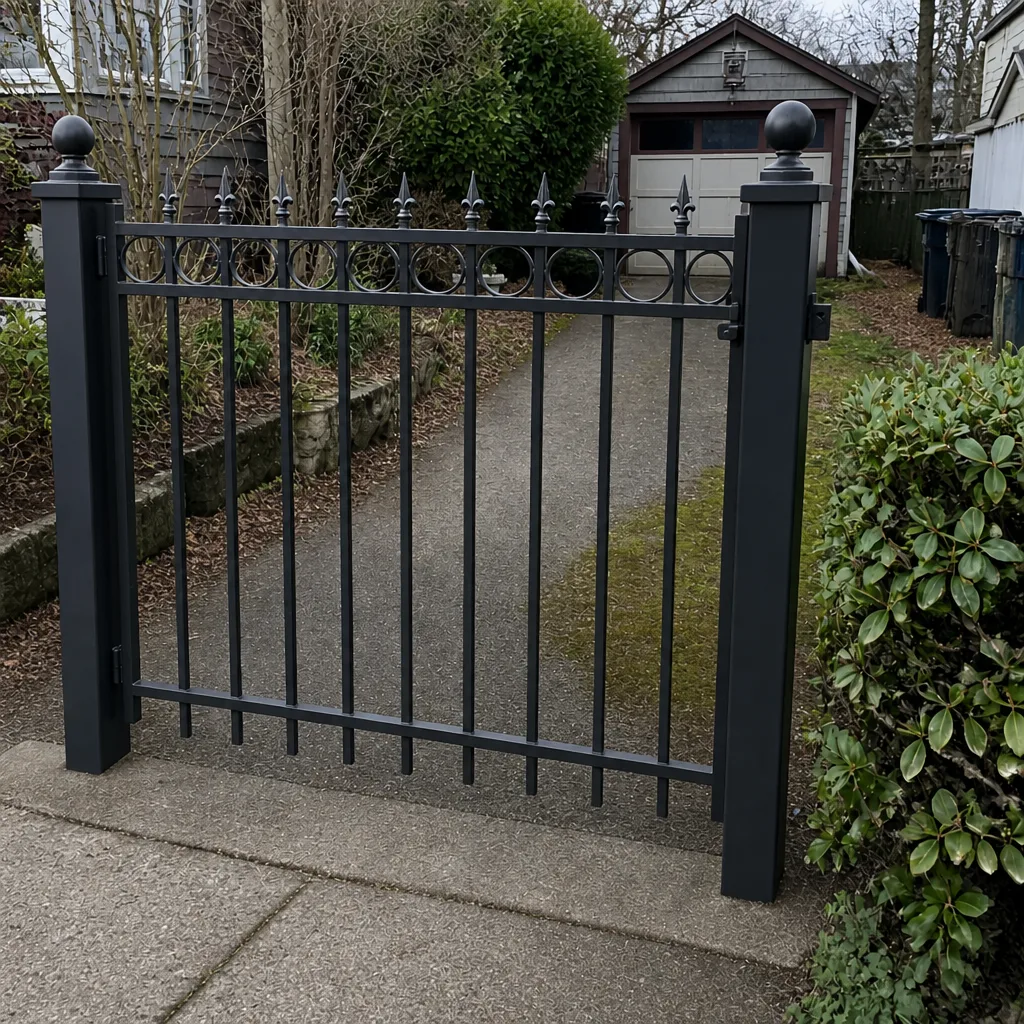 After
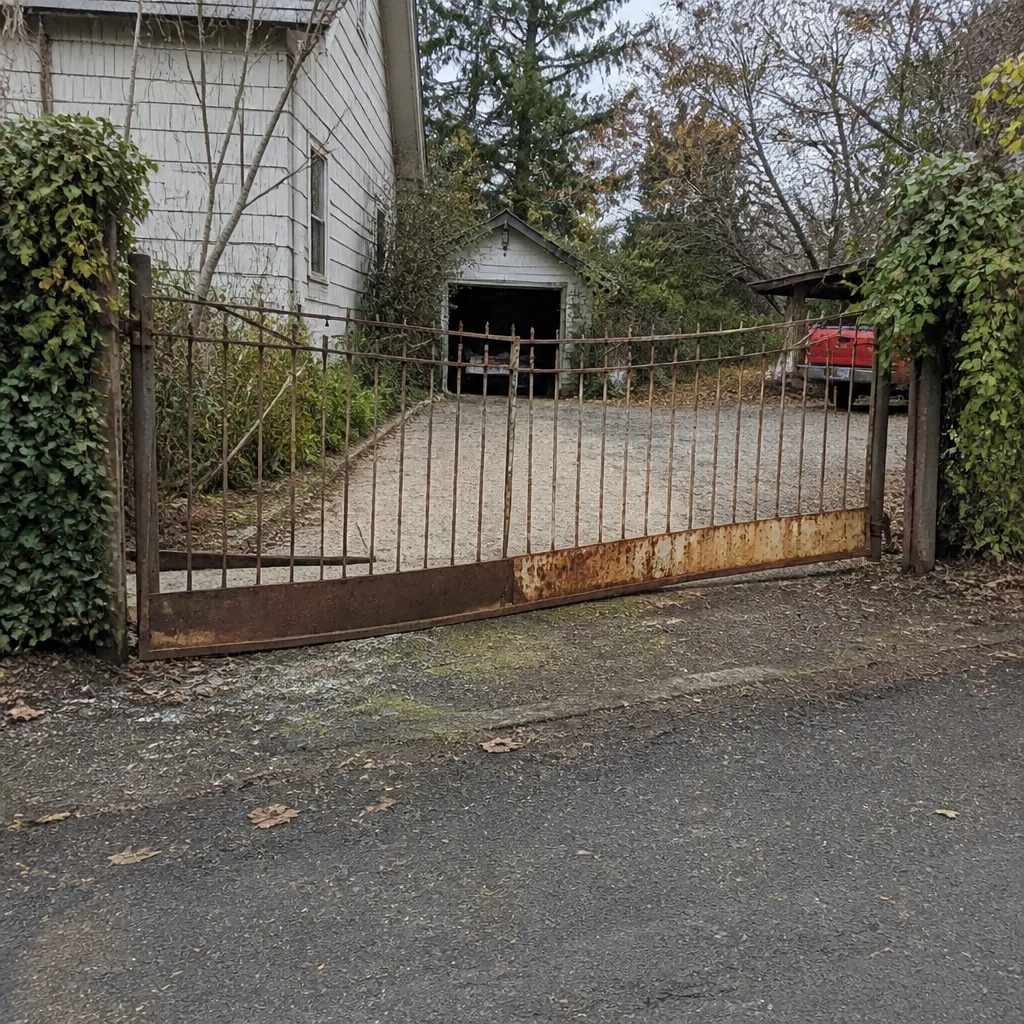 Before
 After
 Before
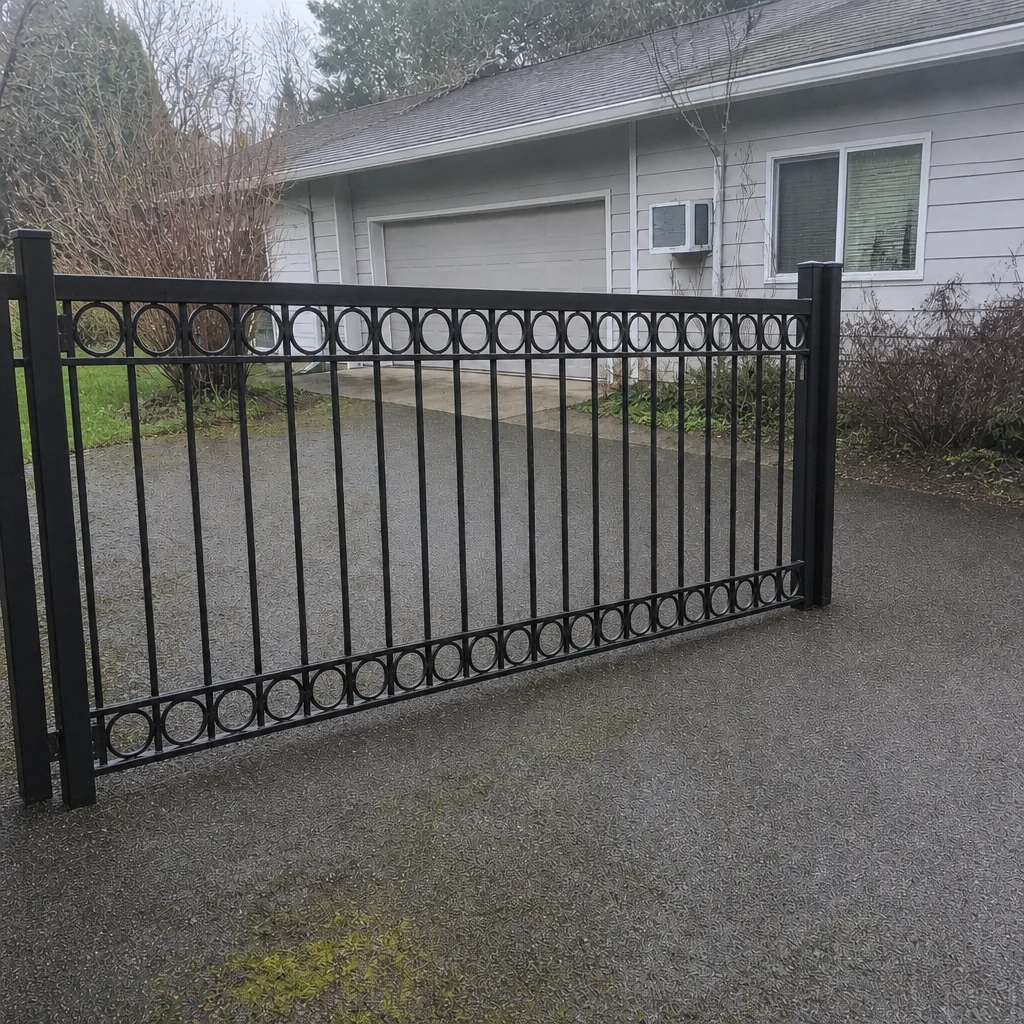 After
When to Call a Professional
Call a professional when a manual release won’t free the gate, when the operator throws a fault code you don’t recognize, when the gate fails on a cycle and won’t reset, when access control stops working, or when a storm has left visible damage. Those are the situations where a specialist’s brand knowledge shortens the repair and a forced fix makes it worse. Safety devices are a hard line too: if the safety edges or sensors aren’t stopping the gate, treat it as an emergency and schedule the repair before the gate runs again.
If the gate is stuck open, call first and secure the opening second. If it’s stuck closed, release the operator first and call second. Either way, having your operator brand and model ready makes the diagnosis faster. Gate Repair Irvington offers free estimates in Irvington; call (855) 658-5296. We answer 24/7, with fast dispatch from 7am to 7pm, Sunday through Friday.
Frequently Asked Questions
Identify whether the gate is stuck open or stuck closed, then follow the matching response. If it’s stuck open, call for repair first to get a technician moving, then secure the opening with a barrier or vehicle. If it’s stuck closed, use the manual release on your operator to free the gate first, then call. Never force the gate before releasing the operator.
Yes, if you release it correctly. Every automatic operator has a built-in manual release, but the mechanism differs by type. Chain-drive operators use a release lever or key near the motor; arm operators use a release at the arm’s mounting point; underground operators use a keyed release near the hinge. Read the operator’s manual if you’ve never done it, and stop if the gate won’t move freely after release.
A security problem is a gate stuck open; the barrier isn’t doing its job and your property is exposed. An access problem is a gate stuck closed; movement is blocked and you need the manual release to free the gate. The labels matter because the correct first move is opposite in each case.
Have your operator brand and model, your gate type and material, what triggered the failure, any fault code or sound the operator made, whether the gate is stuck open or closed, and your access control setup. Having those ready cuts diagnosis time and supports a faster, more accurate repair. Call (855) 658-5296 and we’ll take the details.
It can, depending on your policy and the cause of damage, but the first 24 hours matter. Photograph the damage and the wider scene before cleanup, write a short description with the date and time, pull your policy to confirm coverage and exclusions, and get a written repair estimate. Check with your agent before assuming a small claim is below your deductible.
We answer 24/7. A call outside dispatch hours is booked into the next opening, Sunday through Friday, 7am to 7pm. If the gate is stuck open and it’s outside dispatch hours, secure the opening with a barrier or vehicle and leave the exterior lighting on until we can get a technician to you.
We handle the whole system: repair, installation, motor and opener work, electric gate repair, and access control. That means we recognize brand-specific fault codes and part quirks on operators like DoorKing and LiftMaster without looking them up, and we treat access control as its own category rather than assuming every failure is a motor problem.
The Bottom Line
Preparedness comes down to knowing the difference between a security failure and an access failure, and having the first move for each one ready before you need it. For a gate stuck open, call for repair first and secure the opening second. For a gate stuck closed, release the operator by its correct manual mechanism first and call second. Keep your operator brand and model on hand, document storm damage in the first 24 hours for your Oregon insurance claim, and watch the components that warn you before they fail. For operators like DoorKing, LiftMaster, Elite, Mighty Mule, and the rest of the brands we service, we diagnose the fault instead of forcing it, and we carry the parts. From the motor to the keypad, a full-cycle gate specialist keeps the gate working after the emergency is over. For gate installation or a repair, call (855) 658-5296 for a free estimate.
Written by the team at Gate Repair Irvington.